What is a Halfway House in Canada
What is a Halfway House in Canada?
A halfway house, commonly referred to as a community residential facility (CRF), is a structured living environment designed to support individuals who are transitioning from a federal institution back into the community.
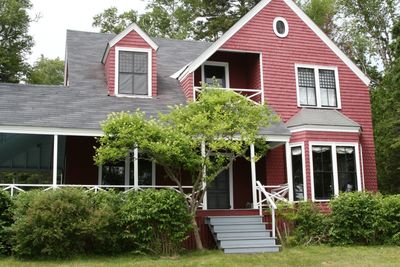
These facilities play an important role in the reintegration process by providing a stable, supervised setting where individuals can gradually adjust to life outside of custody while still being accountable to specific rules and expectations. Facilities can range from smaller homes with a limited number of residents to larger residences with more structured staffing and programming. While Halfway Houses vary in size and layout they operate as shared living environments.
Why halfway houses exist
The transition from a correctional institution to independent living can be significant. A halfway house helps bridge that gap by offering structure, oversight, and access to support.
Rather than moving directly from a highly controlled environment into full independence, individuals in a halfway house are able to re-establish routines and responsibilities in a more gradual and supported way.
This approach is intended to promote stability and reduce the risk of setbacks during the early stages of reintegration.
What a halfway house provides
While each facility may differ slightly, most halfway houses offer a combination of the following:
- A residential setting with shared or private accommodations
- Staff supervision, often available 24 hours a day
- Structured expectations, including curfews and check-ins
- Support services, which may include employment assistance, life skills development, or referrals to community resources
- A focus on accountability and routine
- Some facilities have medical bed support
The level of structure can vary depending on the type of facility and the needs of the individuals residing there.
Who lives in a halfway house
Halfway houses are typically used for individuals who are legally allowed to be in the community but are required or recommended to live in a structured environment.
This may include individuals who are:
- Preparing for a full return to independent living
- Required to reside in a facility as part of their release conditions
- In need of additional support or supervision during their transition
Residency in a halfway house is not permanent. It is generally intended to be a temporary step within a broader reintegration process.
What makes a halfway house different from other housing?
A halfway house is not the same as a typical rental or independent living arrangement.
Key differences include:
- Supervision: Staff are present and involved in day-to-day operations
- Rules and expectations: Residents are required to follow structured guidelines
- Accountability: There is ongoing monitoring and communication with supervising authorities
- Purpose: The focus is on reintegration, not just housing
This structured environment is designed to balance independence with oversight.
The role of structure and routine
Structure is a central part of life in a halfway house.
Residents are generally expected to maintain a consistent routine, which may include:
- Leaving the facility for approved activities
- Returning by a set time
- Maintaining communication with staff
- Participating in agreed-upon plans or goals
This structure helps individuals rebuild habits and responsibilities that support long-term stability.
A transitional step, not a final destination
A halfway house is intended to be a step in the process, not the end point.
As individuals demonstrate stability and compliance, they may move toward more independent living arrangements over time.
The goal is to support a successful transition into the community in a way that is safe, gradual, and sustainable.